.png)
Fall Garden Preparation: Cleanup & Planting Tips
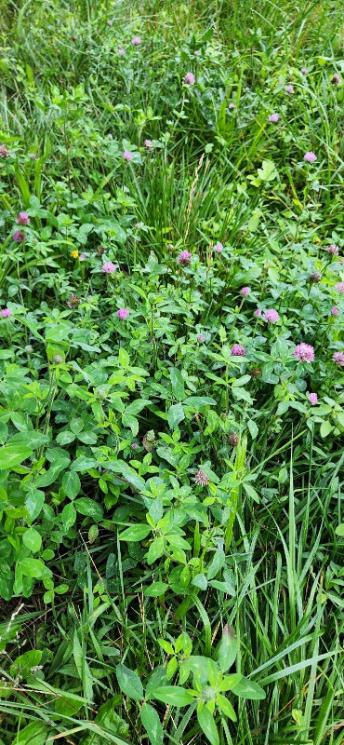
As much as I enjoyed my time in North Carolina, it feels good to be home in Steinhatchee, Florida. After not mowing or trimming our yard for five summer months, you can imagine that we have been busy cleaning up our “wooly” yard!

Starting Fall Garden Preparation with Yard Cleanup
We started by mowing, which helped us see what was happening and figure out where to begin. I took a bunch of videos of the discovering and planning process, so keep your eye on social media if you’re interested!
Even though our nighttime temperatures aren’t consistently below 70°F yet, it’s time to start preparing for cooler weather.
Clearing and Preparing Garden Areas
My first job is trimming away dead foliage. I also noticed that weeds and grass have taken over underneath the trees and around some plants. I will have to remove this. Clearing the area will help nutrients to go to the plants where I want them instead of to the grass and weeds around it.

As I clear these areas, I can actually lift the grass like sod in some areas and replant it where I want it to grow. Then, once I’ve cleared an area, I’ll top it off with fresh topsoil or compost.
Soil Health and Resources
For more information about testing your soil to make sure it has the proper nutrients and pH, check out my YouTube video all about it here! And check out my blog: Cool Weather Gardening: Fall Crops and Fertilizing Tips for more information!
Refreshing Pots and Garden Beds
In my block garden and pots, I’ll remove weeds, dead leaves and about an inch off the top of the old soil. Then I’ll add new potting soil. For plants and trees that go dormant in winter, this refresh is usually enough. Fertilizing will give them a push to produce, which we don’t want for plants that go dormant in the cold weather.

Supporting Winter Herbs
Some of my winter crops, like lavender, sage, oregano, thyme, and chives, struggled through the summer. After cleaning them up, I’ll feed them a weaker solution of organic fertilizer (this is the one I like).
I do this for the plants that keep growing through our southern winters (zones 7 & 8), but aren’t really producing “fruits.” This encourages new growth and strengthens their roots for the winter coming ahead.
Why Fall Planting Matters
Parsley, as an example, will grow slowly all winter and develop strong roots. When spring arrives, it’ll take off and become a nice, full plant. If you wait until spring to sew the seeds, it often bolts (flowers and goes to seed) too quickly, which means less parsley foliage for use. Several herbs behave this way, so starting them now in the fall is helpful.
For cold weather loving plants, like broccoli, winter squash, etc. I want to push them to produce and go to seed, so I will give them a full dose of fertilizer.
If you want more info on this, check out my blog on Cold Weather Gardening!
Testing Seeds Before Planting
Next, I’ll go through last year’s leftover seeds and check their germination (check out my blog all about this here!).

I usually do this in September, so if any seeds aren’t sprouting well, I’ll have time to buy more before it’s too late. Definitely test them before planting them. There's nothing more frustrating than wasting time waiting for growth and nothing comes up!
Seed Tips and Alliums
Many seeds will still be fine, but I’ve learned that alliums (like onions and chives) lose their ability to sprout much faster, so I buy new seeds for those each year. The good news is that some alliums are perennials, so if you have a healthy patch, you won’t need to replant every year.
Winter Crops and Hydroponics
I grow a few crops that do well through our southern winters—mostly greens like cabbage, kale, and lettuce. These leafy greens also grow well in hydroponic systems. If you’re interested in making your own hydroponic system (it’s easy!), check out my YouTube video where I explain the process!
Cool Season Herbs to Grow
Many herbs are happiest here during the cool season. Cilantro is one of those and I’m looking forward to sowing it. Cilantro prefers cooler weather and always bolts in summer. If I’m lucky, I’ll get some volunteer cilantro from seeds dropped over the summer. 😊
Extra Gardening Resources
Don’t forget to check with your local library—many offer seed exchanges, which are a great way to try new varieties!
Writing this newsletter and looking back at my blogs, I realized that I wrote a whole wealth of information about Fall planting, so check them all out directly on my site!
Get in Touch
If you have any further questions about garden preparation, I’m happy to help! Just shoot me an email at leilani@heavenlyflowerplantsandcrafts.com.
DIY Trellis Project
On another note, I want to share that my creative self (pat on my back!) decided to make a homemade trellis using very thin trees in the forest behind my cottage in NC!
Heather thought it was so cool, so we decided to make a YouTube video of it! It’s a little long, we kept some of the process of me making it for those of you who are interested, but if you want to get straight to the final result, feel free to skip to the end!
And don’t forget to like and follow me while you’re there!


Comments