.png)
Best Ways to Use and Preserve Garden Herbs After Harvest
- May 29
- 4 min read
Yesterday the low was 40 degrees Fahrenheit, but a front went through and now this morning the temperature is in the low 20’s! I see the cycle will happen again this week. Before the cold snap came in, I went out and harvested a bowl of greens and herbs to use in soup, salad and tea before I would potentially lose them to the cold
During talks and demonstrations I’ve done in the past, I noticed that many people had problems with their herbs. The happy fullness of their plants was declining. At the base of the stems, leaves were dying and there was only growth at the tips. Fertilizing wasn’t helping. I talk a bit about the importance of keeping your herbs trimmed and why in my blog, Prepare your Garden for Fall Growth, but this is my segue into the topic of this week’s Herb Talk:
What to Do with Excess Herbs
What do you do with that abundance of herbs you now have after trimming your plants back?
A recurring theme in my workshops was something like this: “I only use my oregano for my tomato sauce. I have so much more than I need.”
I knew I needed to teach, or what I like to say, “share” information on using herbs. There is so much information on what and how to do this, but I’m going to summarize it here with just what you need to know to get you started.
Using Herbs in Cooking
Let’s start with using herbs for culinary uses. Culinary herbs provide opportunities for healthy and exciting meals; you can experiment with different herbs for your family and when entertaining.
Fresh Herbs
When using them fresh keep in mind they have water in the foliage. If they start wilting, they are losing that water.
Here are a few ways to keep them for short and longer periods.
For smaller leaf foliage: wash and remove the water from the foliage as much as possible, (which I do for all the preparations for your herb use). Put the fresh washed herbs on a towel and dry, then put a dry paper towel in with the fresh herbs in a plastic bag, seal loosely and keep in the refrigerator.
With herbs with sturdy stems, I put the stems in a glass of water (rosemary, mint, basil, etc.) and keep them at a cooler room temperature. I consider myself lucky if they sprout roots!

For herbs such as parsley and cilantro, I put the bottom of the stems in a glass of water, cover loosely with a plastic bag, put them in the refrigerator and use as needed. I have had them last for well over a week this way.
Drying Herbs
There are many ways to dry herbs. First wash and dry as outlined above.

Gather in bundles and hang on a line or lay flat on a wire drying rack and air dry. Then, strip off leaves and lay on a wire rack to dry further or use a dehydrator. Once they are dry, store the herbs in a glass jar in a dark place away from heat.
When grinding to make ground herbs, make sure the herbs are dried well and use a textured or ridged mortar and pestle. Excellent for rubs or adding to anything.
Dried herb bundles can be placed as they are in soups or stews to impart flavor. Pull out the bundle when the soup is done.
Remember when using fresh herbs vs dried, you use three times as much fresh as dried. Ratio 3:1 (3t/1t)
Freeze and Preserve Herbs
You can also freeze herbs. I like freezing them in ice cubes because they are easy to use later that way.

Place fresh herbs in ice trays, fill them with water and freeze. When frozen, pop out cubes and store them in plastic bags in the freezer. When you are making soups, stews or sauces, you can drop one or more of the herb cubes into the mixture and you have fresh flavor!
Creative Ways to Use Herbs
Now that you have your herbs ready to go, there are many ways to use them!
If you want to make a paste for cooking, use a smooth mortar and pestle. If you don't have a mortar and pestle, a food processor or blender will do, but be careful not to overdo it! Add a little olive oil, salt and pepper. It can be used on baked meat, fish, in soup or sauces, and more!
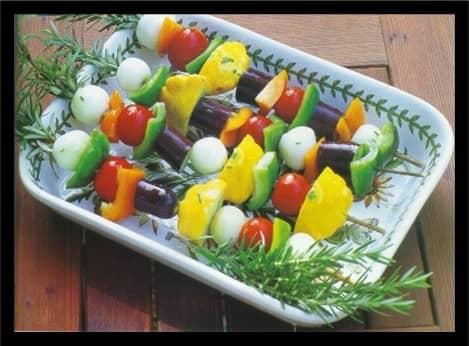
Rosemary stems can be used for vegetable kabobs (consider basting with mint jelly). Remember you want to make sure the stems are soaked so they don’t burn.
Make herb jams, jellies and preserves, not only for spreading on toast and biscuits, but soften in the microwave and use for marinade or basting.
Here is a handout I created to give some ideas on which herbs go with which foods.
When using herbs, you're only limited by your imagination!
If you find that you still have too many herbs to know what to do with, share your trimmings with friends and neighbors, or even just put it in your compost. Whatever you do, be sure to keep trimming your herbs back to keep them healthy!
What is your favorite thing to do with your cut herbs?
Have fun with your herb cuttings!


Comments